The Material Choices That Matter Most for Kitchen Cabinets in a Tropical Climate
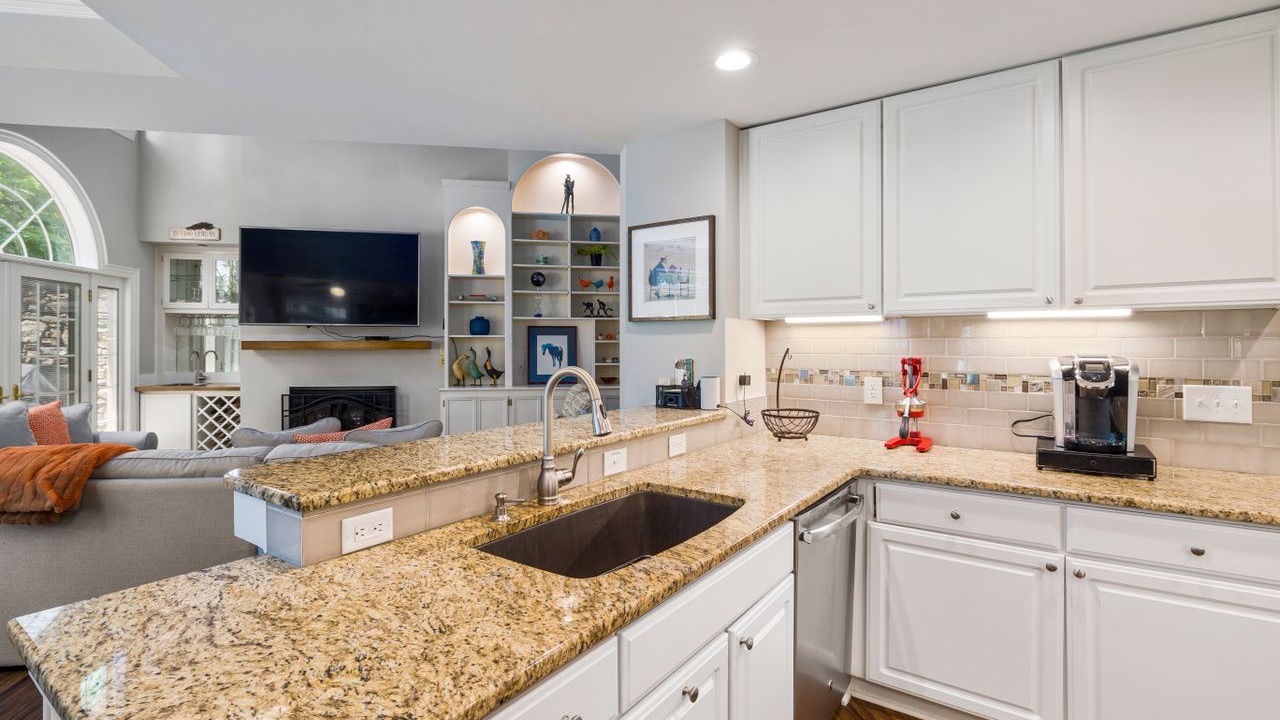
Kitchen cabinet specifications developed for temperate climates don’t translate directly to tropical environments. The combination of high ambient humidity, significant temperature variation between air-conditioned interiors and outdoor-adjacent spaces, and the presence of insects in some settings creates demands on materials and construction methods that simply don’t arise in northern European or North American conditions.
This matters practically for anyone sourcing or specifying kitchen cabinets in the Philippines or other tropical markets. Products that perform adequately in a controlled climate may show moisture damage, delamination, or hardware corrosion within a few years in a tropical kitchen. Understanding which material choices hold up and why makes it easier to specify cabinets that will look good and function well over their intended lifespan.
Board substrate and moisture resistance
The core material in most kitchen cabinets — the panel used for carcass construction — has a significant effect on how well the cabinet holds up in humid conditions. Standard particleboard, which is the most common substrate in volume furniture production, is particularly vulnerable to moisture. When particleboard absorbs humidity over time, it swells, warps, and loses structural integrity. In a tropical climate, this process happens faster and more extensively than in temperate conditions.
Moisture-resistant particleboard (often designated MR particleboard or green-core board, referencing its color) uses a different resin formulation that significantly reduces water absorption. It’s the appropriate substrate for kitchen cabinets in humid environments and should be specified explicitly — standard particleboard and MR particleboard look identical from the outside, and a supplier quoting “particleboard” without qualification may be offering standard board.
Plywood is more naturally moisture-resistant than particleboard and is structurally stronger. For kitchen carcasses, especially in applications where the cabinets will be exposed to steam or condensation — near cooking areas, under sinks, in spaces without adequate ventilation — plywood carcasses are worth the cost premium over particleboard. The trade-off is higher unit cost and, with lower-grade plywoods, potential for face veneer delamination if the adhesive isn’t appropriate for humid conditions.
MDF (medium-density fiberboard) has consistent density and machines cleanly, making it popular for door fronts and decorative components. Standard MDF is more susceptible to moisture than MR particleboard; moisture-resistant MDF variants exist but are less commonly stocked. For door fronts that will be painted or wrapped in a surface film, moisture-resistant MDF is worth specifying.
Surface finishes and edge treatment
The surface finish on kitchen cabinet doors and carcasses is the first line of defense against moisture penetration. A finish that’s compromised — cracked, peeling, or inadequately adhered — allows moisture to reach the substrate and accelerates deterioration from that point.
PVC-wrapped surfaces, where a film is thermally bonded to the MDF substrate, are durable in tropical conditions if the adhesive is appropriate and the wrapping is well-executed. The failure mode is edge lifting — the film separates at the edge, particularly in corners, when the adhesive is degraded by humidity. Higher-quality PVC wrapping uses solvent-free adhesives that resist this failure mode; economy wrapping with inadequate adhesive can begin to lift at edges within a year or two in humid conditions.
Lacquer finishes on wood or MDF provide a good moisture barrier when properly applied and cured, but they require more maintenance than film-wrapped surfaces. Scratches and chips in lacquer create moisture entry points that need to be addressed before they spread.
High-pressure laminate (HPL) surfaces are among the most durable options for tropical kitchen cabinets. The laminate is dense, has low moisture absorption, and resists scratching, heat, and the cleaning chemicals used in kitchens. The limitation is that the aesthetic options are more constrained than with lacquer or film wrapping, and the edges require careful treatment.
Edge banding — the strip that covers the exposed board edges — deserves more attention in tropical specifications than it typically receives. Thin PVC edge banding (0.4mm) is standard in economy cabinet production. In humid conditions, thin edge banding lifts and separates from the substrate faster than thicker alternatives. Specifying 1mm or 2mm ABS edge banding, which bonds more reliably and resists moisture penetration more effectively, is a meaningful durability upgrade for tropical applications.
Hardware corrosion and quality
Cabinet hardware — hinges, drawer slides, handles, and other metal components — is exposed to elevated humidity throughout its service life in a tropical kitchen. Standard mild steel hardware corrodes in these conditions, eventually seizing or failing mechanically. The corrosion often appears first as staining that marks the cabinet surface before the hardware itself fails.
Stainless steel hardware is the appropriate specification for tropical climates. For hinges, drawer slides, and any hardware in a wet-adjacent location (under-sink storage, areas near the dishwasher), stainless steel or zinc-alloy components with appropriate surface treatment resist corrosion at a level that standard steel cannot.
For kitchen cabinets in the Philippines and similar tropical markets, specifying hardware by corrosion resistance standard rather than just brand is useful. Salt spray testing (ASTM B117 or equivalent) gives a concrete comparison point for how different hardware options perform in corrosive environments. Premium hardware from brands like Blum and Hettich is tested to high standards; economy hardware often isn’t tested at all.
Under-sink and wet-zone specifications
The area under the kitchen sink is the most moisture-intensive zone in the cabinet run. Pipe condensation, minor leaks, and cleaning spills mean this section of the base cabinet sees more moisture than anywhere else. Standard cabinet construction in this zone deteriorates reliably in tropical climates.
The appropriate specification for under-sink cabinetry includes: moisture-resistant or marine-grade plywood for the carcass, a surface treatment on the interior that seals the board rather than leaving raw edges exposed, and hardware that’s explicitly rated for wet environments. Some cabinet manufacturers offer dedicated wet-zone base units with these specifications as standard; others require explicit specification in the order.
The alternative — installing standard cabinets under the sink and accepting earlier replacement — is a false economy in most cases. The labor cost of replacing a failed under-sink cabinet section, including the disruption to plumbing and adjacent cabinets, typically exceeds the cost difference between standard and wet-zone specification.
Ventilation and installation considerations
Material selection is only part of the moisture management picture. How cabinets are installed affects how well even good-quality materials hold up over time. Cabinets installed tightly against walls without ventilation gaps trap moisture between the cabinet back and the wall surface, accelerating deterioration of both.
Raising base cabinets slightly off the floor — either on adjustable legs covered by the toe kick, or with ventilation slots in the toe kick — reduces moisture accumulation at the base. Leaving a small gap between the cabinet back and the wall, covered by the cabinet or by a deliberate design feature, allows air circulation that significantly reduces the moisture differential that drives swelling and mold.
These aren’t difficult to implement, but they require the installer to understand why they matter and to execute them consistently rather than defaulting to the easiest installation configuration.