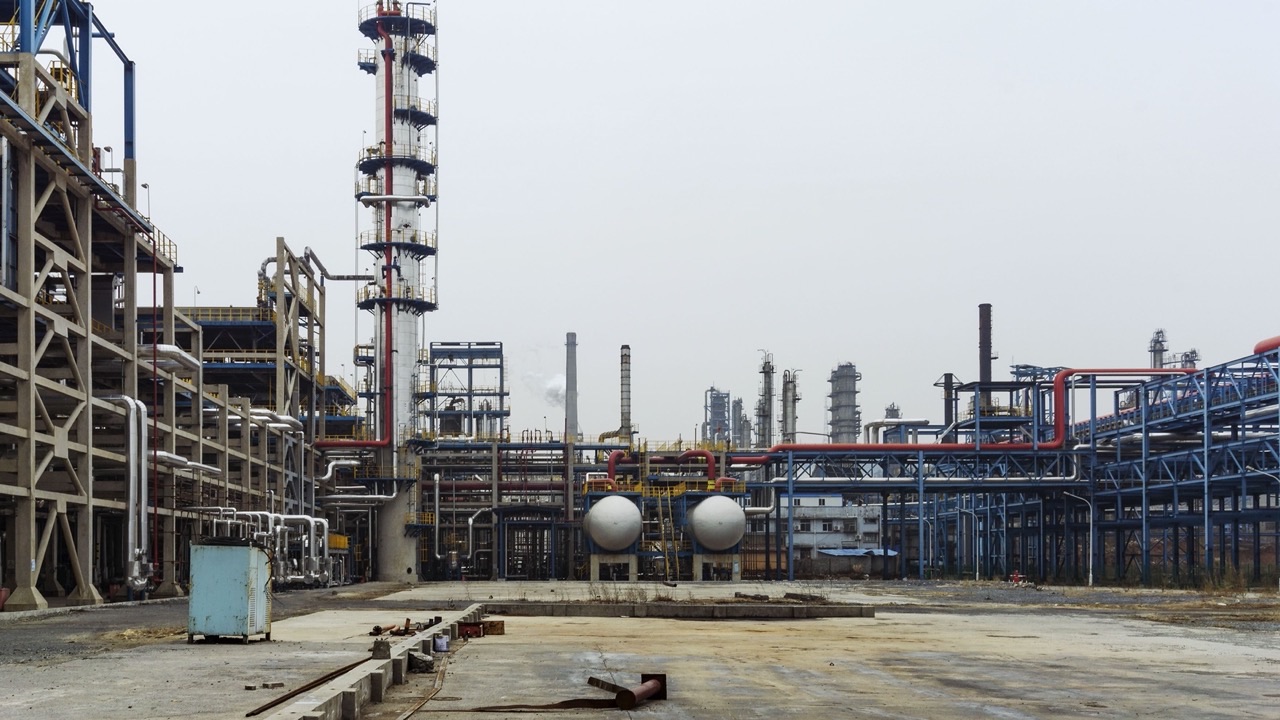
Using Pipe Weight Data to Verify Delivered Materials at the Construction Site
Material verification at the construction site typically relies on reading the mill markings stamped on the pipe — the ASTM designation, grade, and schedule — and comparing those against the purchase order. That’s the primary check. But on large projects, or when the receiving process is under time pressure, it’s useful to have a secondary verification method that doesn’t depend entirely on the markings.
The PANDAPIPE pipe weight reference provides a practical tool for that secondary check: if the delivered pipe’s measured weight per foot matches the published value for the specified NPS and schedule, the material is consistent with the specification. If it doesn’t match, something warrants a closer look before the pipe is staged for installation.
How the weight check works
The published weight per foot for Schedule 40 carbon steel pipe follows directly from the wall thickness and outside diameter. For NPS 6 Schedule 40, the nominal wall is 0.280 inches and the OD is 6.625 inches. Applying the standard formula:
Weight (lb/ft) = 10.69 × t × (D − t) = 10.69 × 0.280 × (6.625 − 0.280) ≈ 18.97 lb/ft
A bundle of NPS 6 Schedule 40 pipe is supposed to weigh approximately 19 pounds per foot of length. A 20-foot length should weigh about 380 pounds.
To use this as a site verification check: weigh a representative sample of the delivered lengths on a certified scale, calculate pounds per foot, and compare against the published value. A result within ±5% of the published value is consistent with standard mill tolerance on wall thickness (which allows up to 12.5% below nominal, but most pipe is closer to nominal). A result significantly below the expected weight — 15% or more — suggests the pipe may be thinner-walled than specified.
What a low weight reading can indicate
A delivered weight meaningfully below the published value for the specified NPS and schedule is a signal worth investigating. The most likely explanations:
Wrong schedule delivered: Schedule 20 NPS 6 has a nominal wall of 0.134 inches and weighs approximately 9.29 lb/ft — roughly half the Schedule 40 weight. If Schedule 40 was specified and Schedule 20 arrived, the weight check catches the substitution immediately. The pipe markings should reflect the substitution, but markings can be difficult to read, can be on the opposite end of a long run, or can occasionally be wrong.
Thinner wall than nominal: pipe at the minimum of the ASTM mill tolerance (nominal × 0.875 for wall thickness) will weigh about 12% less than the nominal-weight calculation. This is conforming product, but it’s at the edge of the allowable range. A weight reading 10–12% below nominal is not necessarily a rejection trigger, but it suggests verifying with direct wall thickness measurement.
Wrong NPS: if the wrong nominal pipe size was delivered — NPS 4 instead of NPS 6, for example — the weight will be dramatically off (NPS 4 Schedule 40 weighs about 10.79 lb/ft versus 18.97 for NPS 6). This is usually caught by visual inspection, but a weight check confirms it.
Conducting the check efficiently
For efficient site weight verification, use a sample of three to five randomly selected lengths from the delivery. Measure the actual length of each pipe (don’t rely on the nominal 20-foot length — random mill lengths vary). Weigh each piece on a calibrated scale and divide by the measured length to get pounds per foot. Average the sample results.
Compare the average to the published weight for the specified NPS and schedule. If the average is within ±5%, the material is consistent with the specification. If the average is outside that range, pull a larger sample and conduct UT wall thickness measurements at several points on each length to confirm the actual wall.
This check doesn’t replace the mill certificate review and marking inspection — it supplements them. Markings confirm the identity claimed; weight confirms that the physical product is consistent with that identity.
Limitations of the weight check
The weight check verifies wall thickness consistency but doesn’t verify material chemistry, tensile properties, or yield strength. A pipe with the correct wall thickness but wrong ASTM grade would pass the weight check while potentially failing a mechanical property requirement. For applications where material traceability matters — pressure piping under ASME B31.3, fire protection piping under NFPA 13 — the mill certificate and material markings remain the primary verification tools; the weight check is a fast, low-cost supplement that catches dimensional substitutions but not property substitutions.